

This website uses cookies to improve your experience. We'll assume you're ok with this, but you can opt-out if you wish. Read More


Ask most teams when they want to hold their corporate retreat and the answer is almost always the same: spring or early summer. The weather is good, the energy is high, and it feels like the natural moment to step back and regroup.
There is nothing wrong with that instinct. But it comes with a cost: the best venues fill up months in advance, the competition for dates is fierce, and the options narrow considerably for teams that do not plan far enough ahead.
What fewer teams consider — and what those who do often find — is that autumn and winter offer something qualitatively different. Not a compromise, but in many ways a better version of the retreat experience. This article makes the case.
Spring and early summer retreats have real advantages — longer days, warm weather, the sense of possibility that comes with the season. But the demand is so concentrated in this window that it creates its own problems.

The best venues are booked solid. The ones that remain available at short notice are often available for a reason. Teams that leave planning too late either pay a premium, accept a venue that is not quite right, or push the retreat to the following year — at which point the window has closed again.
There is also something to be said for the rhythm of the year. For many organisations, spring is a busy season — not a natural moment for stepping back. The calendar pressure of Q2, the projects ramping up after Q1 planning, the sense that things are accelerating — these can work against the depth of attention a retreat requires.
Autumn sits at the hinge of the year. The summer is behind, the year-end is ahead, and there is a natural prompt to take stock: what has been achieved, what has not, what the final months of the year need to produce. For strategy work, planning sessions, and honest team conversations, this temporal position is genuinely useful.
Many leadership teams find that an autumn retreat — held in October or November — creates the conditions for exactly the kind of year-end clarity that January planning sessions are supposed to produce, but rarely do, because January is too reactive and too rushed.
The visual quality of an autumn landscape is something that photographs rarely capture fully. The light is different — lower, warmer, longer in its shadows. The colours shift. There is a particular quality of attention that autumn seems to invite in people: slower, more contemplative, more present.
For retreats held in natural settings, this is not a small thing. The environment is part of the programme, and an autumn environment — with its particular light and stillness — supports a different quality of thinking than the same setting in July.
This is the practical argument, and it is a strong one. Autumn and winter represent significantly better availability at the venues that matter — and, in many cases, better pricing. Teams that are willing to retreat outside the peak season gain access to spaces that would otherwise require booking six months or more in advance.
Some of the most productive retreats happen in November. There is something about the season — the quiet, the light, the sense of the year drawing in — that makes people talk differently.
Can Vital
Winter retreats are even less common — and even more underappreciated.
The perception is that winter is the wrong time: cold, dark, difficult. But this misses what winter actually offers to a team that is willing to work with it rather than against it.
Winter has a natural pace. The days are shorter. The light is different. The instinct to slow down is built into the season — and a winter retreat can harness that rather than fight it.
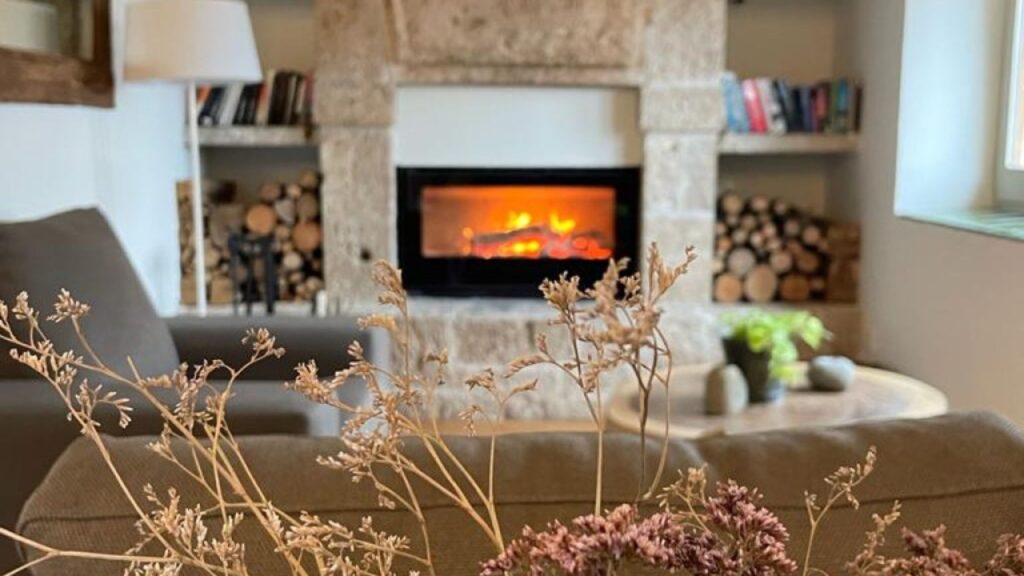
For teams that have been running hard all year, a winter retreat is not a paradox — it is a homecoming. The season aligns with rest, reflection and the drawing of conclusions. A corporate retreat held in the depths of winter, at a property that knows how to make that season feel good — warm interiors, real fires, food that suits the cold — can be one of the most memorable and restorative experiences a team has together.
A winter retreat moves indoors in a different way. The outdoor elements shift — less walking in sunshine, more sitting by a fire in the evening — but the quality of conversation often deepens as a result. There is less competition for attention. Fewer distractions. A kind of closeness that summer settings, with their brightness and movement, sometimes disperse.
Teams that have held winter retreats often report a particular quality of honesty and depth in the conversations that happen there — something in the season that invites people to set aside performance and simply be present with each other.
Embrace the season rather than working around it. An autumn or winter retreat that tries to replicate a summer experience will feel like a compromise. One that leans into what the season actually offers will feel distinctive and right.
Think about the interior quality of the venue. In summer, you can spend much of the retreat outside. In autumn and winter, the indoor spaces carry more weight. Look for venues where the interiors are warm, considered and genuinely comfortable to spend time in.
Plan for shorter outdoor windows, used well. A walk in autumn or winter light — even a short one — has a particular quality that summer walks do not. Build it in deliberately, even if the programme is primarily indoors.
Check what the venue offers in season. Some venues are built for summer and become generic conference spaces in winter. Others — those with real fires, warm kitchens, and a relationship with the seasons — come into their own in the colder months. Ask specifically what the autumn and winter experience is like.
Can Vital works well across all seasons — but autumn and winter have a particular quality at the property that teams often find unexpected.
The natural setting shifts with the season: the light changes, the landscape quietens, and the surrounding countryside takes on a stillness that summer does not offer. The indoor spaces — warm, considered, human in scale — come into their own when the programme moves primarily inside.
Availability in autumn and winter is significantly better than in spring and summer. Teams that choose these seasons gain access to the full property, greater flexibility around dates, and the kind of unhurried attention that peak season does not always allow.
Can Vital does not run retreat programmes — teams arrive with their own agenda and their own intent. But for those willing to look at the full year rather than the obvious window, autumn and winter at Can Vital offer a retreat experience that is, in many ways, the most complete the property provides.
This website uses cookies to improve your experience. We'll assume you're ok with this, but you can opt-out if you wish. Read More
Preferences